
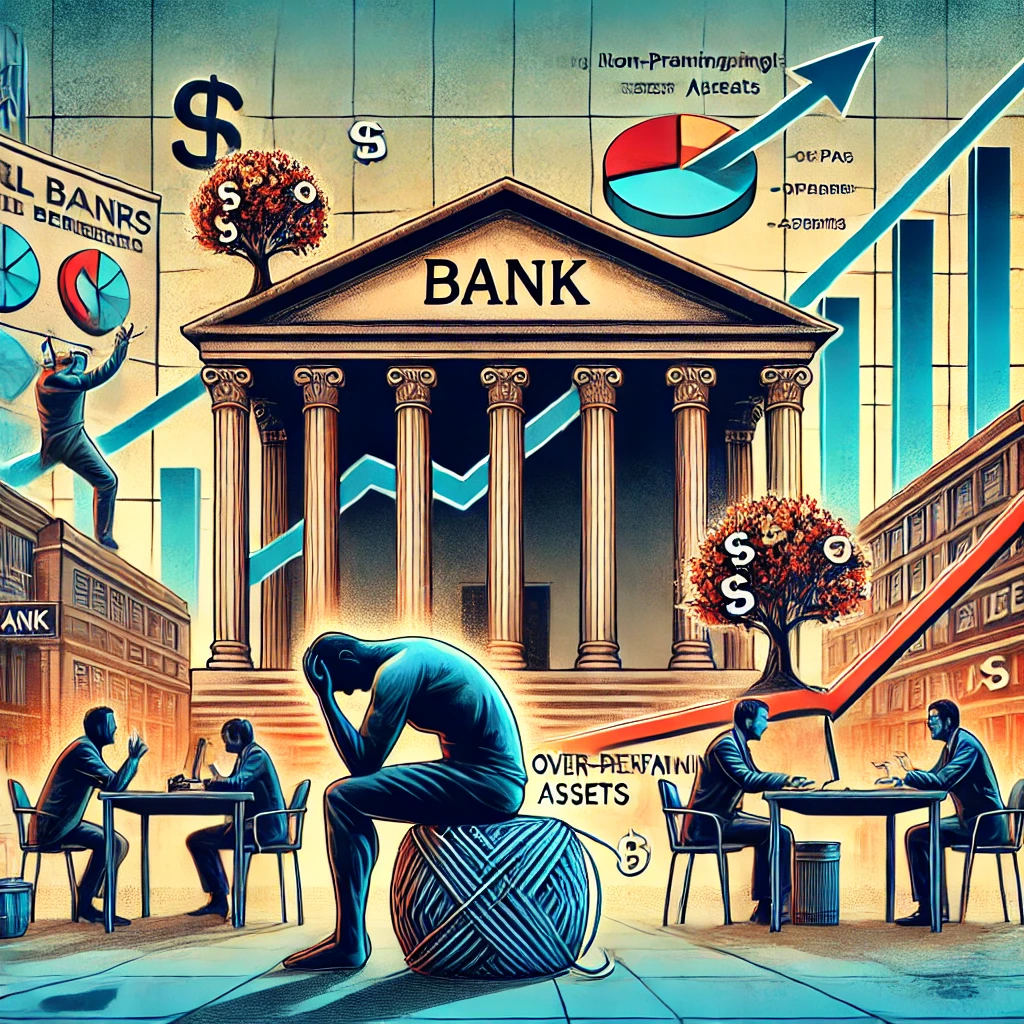
The Indian financial landscape is grappling with a significant issue: an increase in defaults among retail borrowers. This trend, particularly evident in the personal loans and micro-credit segments, has led to growing concerns among financial institutions. Here, we delve into the causes, implications, and regulatory measures addressing this alarming situation.
The Current Scenario
Indian lenders have reported a surge in defaults, primarily driven by over-leveraged retail borrowers. Data reveals that the personal loan and micro-credit segments are experiencing the highest levels of stress. As retail credit has become more accessible, many borrowers have taken on loans beyond their repayment capacity, leading to a spike in non-performing assets (NPAs) for banks.
Recent figures show that the gross NPAs for the retail segment have increased by 2% year-on-year, with personal loans and microfinance loans contributing significantly to this rise. This has prompted banks to reassess their lending criteria and risk assessment practices.
Factors Contributing to Rising Defaults
- Over-Leveraging of Borrowers: The availability of easy credit has encouraged many individuals to take multiple loans simultaneously, stretching their repayment capacity to its limits.
- Economic Slowdown: A sluggish economy has resulted in job losses and reduced income for many, making it difficult for borrowers to meet their financial obligations.
- High-Interest Rates on Micro-Credit: Microfinance institutions often charge high interest rates, which can become unsustainable for borrowers with limited income sources.
- Lack of Financial Literacy: Many borrowers lack the knowledge to manage their finances effectively, leading to poor debt management and eventual default.
Impact on Financial Institutions
The rising defaults have had a cascading effect on the financial sector:
- Increase in NPAs: Major banks and non-banking financial companies (NBFCs) have reported higher levels of bad loans, affecting their profitability.
- Strain on Capital: Institutions are compelled to allocate more capital towards provisioning for NPAs, reducing funds available for lending.
- Investor Confidence: The increase in defaults can shake investor confidence, potentially impacting stock prices of listed financial institutions.
Regulatory Measures
The Reserve Bank of India (RBI) has stepped in to mitigate the issue. Some of the measures include:
- Enhanced Credit Monitoring: Financial institutions are now required to closely monitor borrower profiles and repayment patterns.
- Stricter Lending Guidelines: Banks and NBFCs must adhere to more stringent lending criteria, particularly in the high-risk segments.
- Debt Resolution Mechanisms: The RBI has encouraged lenders to offer restructuring options to stressed borrowers, helping them manage their repayment schedules more effectively.
- Financial Literacy Programs: Initiatives aimed at educating borrowers on responsible borrowing and financial management are being promoted.
The Road Ahead
While the increase in retail defaults poses challenges, it also presents an opportunity for financial institutions to refine their practices. By leveraging advanced analytics and artificial intelligence, lenders can improve risk assessment and identify potential defaulters early. Additionally, fostering financial literacy and responsible borrowing habits among consumers will be crucial in addressing this issue.
Conclusion
The rise in defaults among retail borrowers underscores the need for a balanced approach to lending. While expanding credit access is essential for economic growth, it must be accompanied by responsible lending practices and robust regulatory oversight. By addressing the root causes and implementing targeted measures, Indian lenders can navigate this challenge and ensure the stability of the financial system.