
The Growing Gap
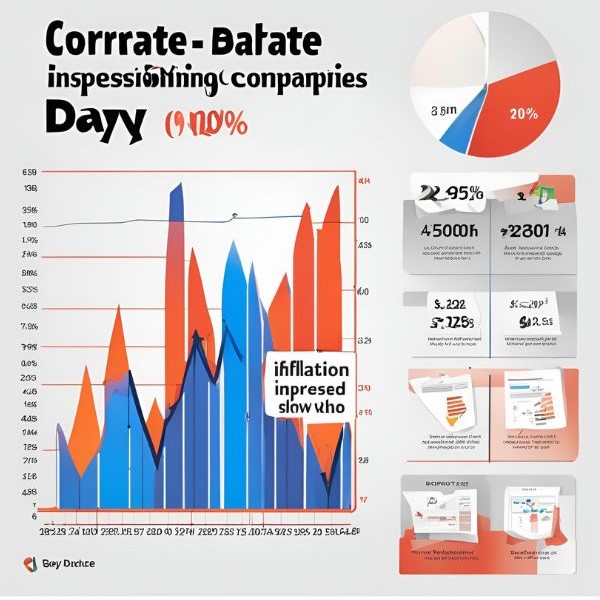
The widening gap between corporate income growth and employee salary increments is one of the most pressing challenges in India’s economic landscape. Over the last five years, many companies in sectors like FMCG, logistics, IT, retail, banking, and manufacturing have reported exponential profit increases, with some registering up to 400% growth. However, employee salaries have seen only marginal hikes:
- FMCG: 5.4%
- Logistics: 4.2%
- IT: 4%
- Retail: 3.7%
- Banking: 2.8%
- Manufacturing: 0.8%
Meanwhile, retail inflation has climbed significantly:
- 2019: 4.8%
- 2020: 6.2%
- 2021: 5.5%
- 2022: 6.7%
- 2023: 5.4%
This means that real income for many employees in the corporate sector has effectively decreased when adjusted for inflation. While companies enjoy record-breaking profits, employees bear the brunt of stagnating wages, creating an unsustainable and inequitable economic environment.
Why Is This Happening?
The causes of this growing disparity are multifaceted:
- Corporate Prioritization of Profits: Many companies focus on maximizing profits, often by cutting costs in areas such as employee compensation.
- Automation and AI: Technological advancements have improved operational efficiency but reduced reliance on human labor, suppressing wages.
- Weak Labor Laws: India’s labor laws provide limited protection for workers, weakening their bargaining power and making it easier for corporations to avoid fair wage increases.
- Short-Term Focus: Businesses often prioritize short-term financial gains over sustainable workforce investments.
The Impact of Income Inequality
The consequences of this imbalance go far beyond individual hardships:
- Reduced Consumer Demand: Employees with stagnant wages have less disposable income, which curtails consumer spending and, in turn, slows economic growth.
- Social Unrest: Rising inequality fosters discontent, which can lead to social and political instability.
- Weakened Social Fabric: A society where wealth is concentrated in the hands of a few risks eroding trust, cooperation, and social cohesion.
The Path Forward
To address this disparity and foster inclusive growth, coordinated efforts from policymakers and corporations are essential:
- Stronger Labor Laws: Governments must enforce regulations that protect employee rights and ensure fair compensation tied to corporate growth.
- Linking Wages to Profit Growth: Companies should adopt policies that align wage increments with profit increases, ensuring employees benefit proportionally from business success.
- Progressive Taxation: A robust taxation system can help redistribute wealth, providing additional resources for social welfare and poverty alleviation.
- Investment in Skills and Education: By upskilling employees, businesses can ensure their workforce remains competitive and better compensated.
- Corporate Social Responsibility (CSR): Ethical business practices that prioritize fair labor standards can bridge the gap between profits and wages.
Why It Matters
India cannot become a world-class economy without addressing income inequality. Real progress requires that the benefits of growth reach every citizen, especially those in the corporate workforce. When income is more equitably distributed, consumer confidence improves, demand strengthens, and the economy becomes more resilient.
As a society, we must aim to grow not just economically but also equitably. Policymakers must prioritize employees alongside businesses, creating an environment where corporate success translates into shared prosperity. Only by ensuring fair income distribution can we build a stronger, more inclusive India that is competitive on the global stage.
A Call for Action
The path to becoming a truly world-class economy lies in inclusivity. Profits must not remain confined to boardrooms—they should cascade to the workforce and the broader society. Together, businesses, policymakers, and citizens can create an India where economic growth benefits everyone, building a nation that is fair, prosperous, and united.