Taking swift and strategic action can help you access vital aid and rebuild your financial life after a disaster.
Natural disasters—whether it’s floods, earthquakes, wildfires, or cyclones—can strike without warning, upending lives in an instant. In the chaos that follows, managing your financial recovery may seem overwhelming. However, there are many resources and strategies available to help you get back on your feet. By acting quickly and strategically, you can access crucial aid and minimize the financial damage.
1. Focus on Immediate Needs First
When a disaster occurs, your first priority should be ensuring safety and securing temporary shelter. Depending on the nature of the disaster, local governments, NGOs, and emergency services will typically provide immediate support, such as temporary housing, food, and medical aid. In many regions, there are established relief centers where you can find resources.
It’s also worth exploring if there are any temporary discounts or special offers for displaced individuals. Sometimes, hotel chains or temporary shelters offer discounted rates for evacuees, and if you have any travel rewards or credit card points, they might be usable for free or reduced-rate lodging during such emergencies.
2. Apply for Financial Assistance and Government Aid
Once immediate needs are met, your next priority should be accessing financial aid. Many governments and charitable organizations offer disaster relief funds for those affected. These funds may assist with housing, medical bills, and other basic needs, as well as helping to restore livelihoods. Be sure to check with local or national disaster management agencies to apply for these funds as soon as possible.
Several organizations also provide material aid, such as food, water, and supplies, in the aftermath of a disaster. Keep an eye out for information about available assistance through local news, social media, or community organizations.
Additionally, some nonprofit organizations offer disaster recovery programs that can help you navigate financial relief and understand available support options.
3. Get in Touch with Your Insurance Providers
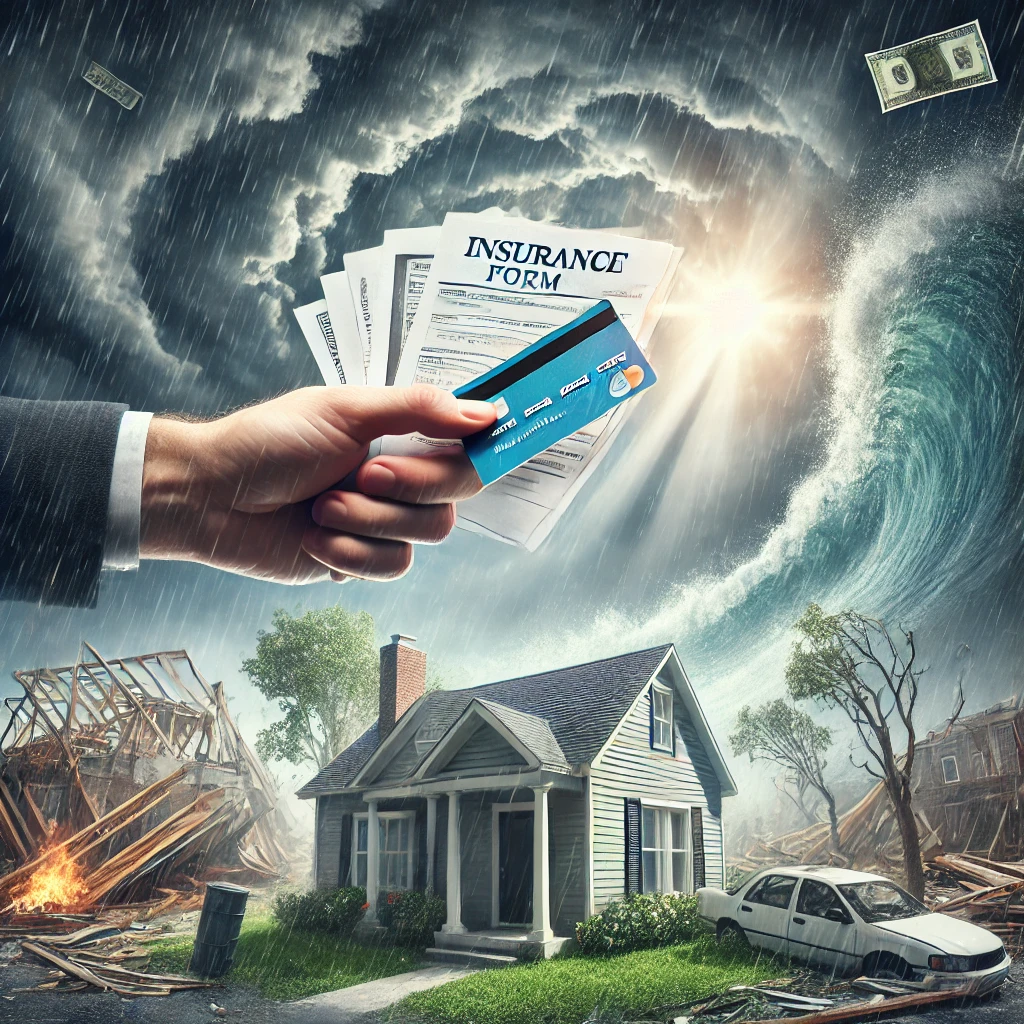
Insurance can play a critical role in helping you recover financially from a disaster. Whether you have home insurance, auto insurance, or health insurance, it’s important to get in touch with your providers right away. Start by reviewing your policies to understand what’s covered. For example, standard home insurance policies typically do not cover flood or earthquake damage, so make sure you have the necessary supplementary coverage.
Once you have a clear understanding of your coverage, report any damage promptly. Insurers often face a high volume of claims after a disaster, so filing your claim early can help ensure that you receive the assistance you need sooner. Be prepared to provide detailed documentation of the damage, such as photos and written descriptions.
Ask your insurer about important details, such as:
- The types of damages covered and any applicable limits
- The claims process and estimated time for resolution
- Whether you’re entitled to living expense reimbursement or car rental coverage during displacement
4. Communicate with Creditors and Lenders
If you are struggling to keep up with payments on loans, credit cards, or mortgages, reach out to your creditors as soon as possible. Many financial institutions offer temporary relief programs for disaster-affected individuals, such as forbearance or the suspension of payments. These programs can help you avoid penalties and fees during the recovery period.
It’s important to communicate openly with your lenders about the difficulties you are facing. They may offer extended payment terms, lower interest rates, or a temporary pause in your payments to ease the financial burden.
If you’re facing difficulty making payments, it’s essential to be proactive. Many creditors will work with you if they are aware of your situation. Additionally, be aware of any programs that may be available to help with student loans, utility bills, or other necessary expenses.
5. Explore Relief for Education and Student Loans
For those with student loans, disaster relief options may be available. Some student loan providers offer forbearance or deferment programs that can temporarily pause or reduce your loan payments. If you have federal student loans, inquire about disaster relief provisions that could help you delay your payments.
Students who have been displaced or whose families have been financially impacted by the disaster may also be eligible for emergency financial aid through their educational institution. Contact your school’s financial aid office to discuss your situation and explore options for additional support.
6. Use Credit Wisely and Consider Long-Term Debt Management
As you recover, it’s likely that you’ll need to rely on credit to cover expenses or make necessary repairs. Using credit responsibly can be an essential tool during the recovery process, but it’s important to stay mindful of interest rates and repayment schedules. Some credit card companies and lenders offer disaster recovery programs, which may include reduced interest rates or flexible repayment terms.
Once the immediate disaster relief funds are exhausted, it’s important to start working on managing any new debt that has accumulated. Consider using strategies like the debt snowball method, where you focus on paying off smaller debts first while maintaining minimum payments on larger ones. Alternatively, the debt avalanche method, which targets higher-interest debts first, can be a good way to minimize the amount of interest you pay over time.
If your debt becomes unmanageable, it might be worth exploring debt consolidation or negotiation with creditors to find a more sustainable solution. Consulting with a financial advisor or credit counselor can also provide valuable guidance during this process.
7. Seek Debt Relief If You Need It
If the financial strain from the disaster becomes overwhelming, there are several debt relief options available. In many cases, government-backed debt relief programs may offer assistance for disaster victims. Additionally, nonprofit organizations and legal services may help with debt negotiations, including the reduction of interest rates or the restructuring of loans.
Some individuals may benefit from bankruptcy protection, depending on the severity of their financial situation. It’s important to research all available options and seek professional advice if necessary.
Conclusion
Recovering from a natural disaster can be a difficult and lengthy process, but you don’t have to go through it alone. There are numerous resources available to help you access financial aid, protect your credit, and rebuild your life. By acting quickly, staying organized, and reaching out for support, you can start the recovery process and work toward financial stability once again.
Whether it’s applying for government assistance, reaching out to your insurance provider, or negotiating with creditors, each step you take will bring you closer to overcoming the financial impact of the disaster.