
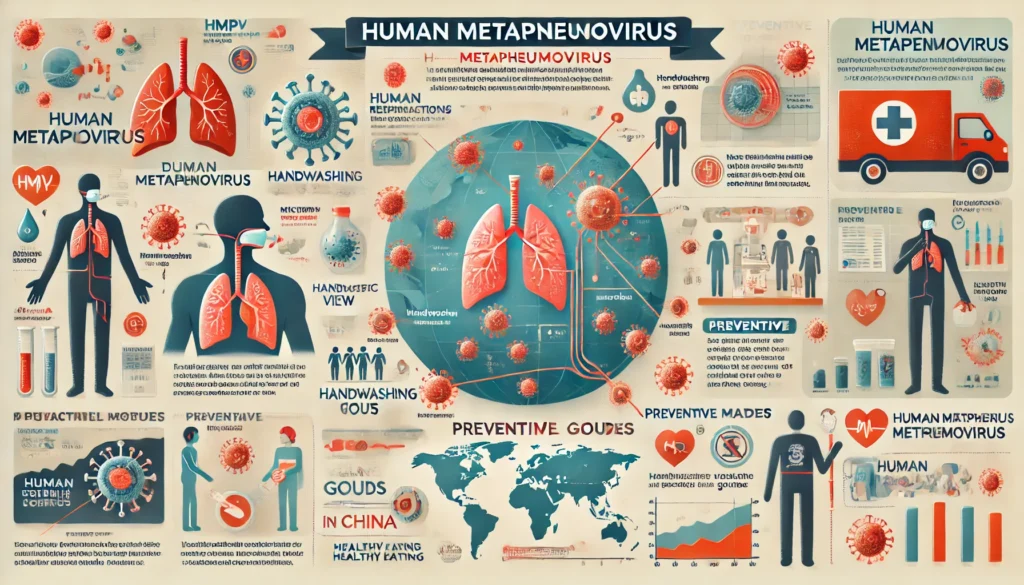
The emergence of respiratory illnesses continues to challenge global health systems. Among these, Human Metapneumovirus (HMPV) has recently gained attention due to a rise in cases across various parts of the world, including China. In this article, we delve into what HMPV is, its origins, symptoms, prevention strategies, and how it differs from COVID-19. We also highlight the importance of global preparedness in managing this respiratory virus.
What is Human Metapneumovirus (HMPV)?
Human Metapneumovirus (HMPV) is a respiratory virus belonging to the Paramyxoviridae family, which includes respiratory syncytial virus (RSV) and measles. First identified in 2001, HMPV primarily affects:
- Children
- The elderly
- Immunocompromised individuals
The virus causes illnesses ranging from mild colds to severe complications like bronchitis and pneumonia. Transmission occurs via:
- Respiratory droplets from coughs or sneezes
- Direct contact with contaminated surfaces or objects
HMPV Origins and Recent Outbreaks
HMPV was first discovered in the Netherlands in 2001, with traces found in samples dating back to 1958. Its exact origins are unclear, but genetic studies suggest it evolved from a common ancestor of avian metapneumovirus.
In late 2024, a significant outbreak in China increased hospitalizations, especially among children and the elderly. Reports suggest that HMPV accounted for over 6% of respiratory illness hospitalizations in China, sparking global interest in studying and managing the virus.
How HMPV Differs from COVID-19
Despite being respiratory viruses, HMPV and COVID-19 differ in key ways:
| Aspect | HMPV | COVID-19 |
|---|---|---|
| Virus Type | Paramyxovirus | SARS-CoV-2 (Coronavirus) |
| Symptoms | Fever, cough, nasal congestion, wheezing | Respiratory issues, loss of taste/smell, systemic effects |
| Transmission Rate | Lower | Higher |
| Severity | Moderate in most cases | Can be severe or lethal |
| Treatment | Supportive care | Vaccines and specific treatments available |
Key Features of HMPV
- Incubation Period: 4–6 days
- Symptoms:
- Mild: Runny nose, cough, fever
- Severe: Wheezing, pneumonia
- At-Risk Groups:
- Infants and young children
- Elderly individuals
- Immunocompromised people
- Seasonality: Late winter to spring
HMPV is generally not fatal for healthy individuals, though it can lead to severe illness in vulnerable populations.
Prevention Tips for HMPV
Maintain Hygiene
- Wash hands regularly with soap for at least 20 seconds.
- Use alcohol-based sanitizers if soap is unavailable.
Practice Respiratory Etiquette
- Cover your mouth and nose when coughing or sneezing.
- Dispose of tissues immediately.
Disinfect Surfaces
- Clean frequently touched objects, such as door handles and phones.
Use Masks
- Wear masks in crowded places, especially during flu seasons.
Boosting Immunity with a Healthy Diet
Strengthen your immune system with these dietary tips:
- Vitamin C: Oranges, lemons, strawberries, bell peppers
- Zinc: Nuts, seeds, whole grains
- Probiotics: Yogurt, kefir, fermented foods
- Hydration: Drink plenty of water
- Antioxidants: Green tea, berries, dark chocolate
Global Preparedness Against HMPV
Awareness and Education
Governments and health organizations must raise awareness about HMPV symptoms and prevention.
Enhanced Surveillance
Better monitoring of respiratory illnesses can help in early detection and containment.
Healthcare Strengthening
Ensure adequate hospital beds and resources during peak seasons.
Vaccine Development
Research into vaccines and antiviral drugs for HMPV should be prioritized.
Conclusion
Human Metapneumovirus (HMPV) may not pose the same global threat as COVID-19, but its impact on vulnerable populations warrants serious attention. By adopting proper hygiene practices, improving immunity through nutrition, and strengthening healthcare systems, we can effectively manage HMPV outbreaks. Global collaboration and continued research are essential for future preparedness against this and other respiratory illnesses. inimize its impact. The global focus should remain on research, prevention, and preparedness to face any potential outbreaks effectively.