Introduction
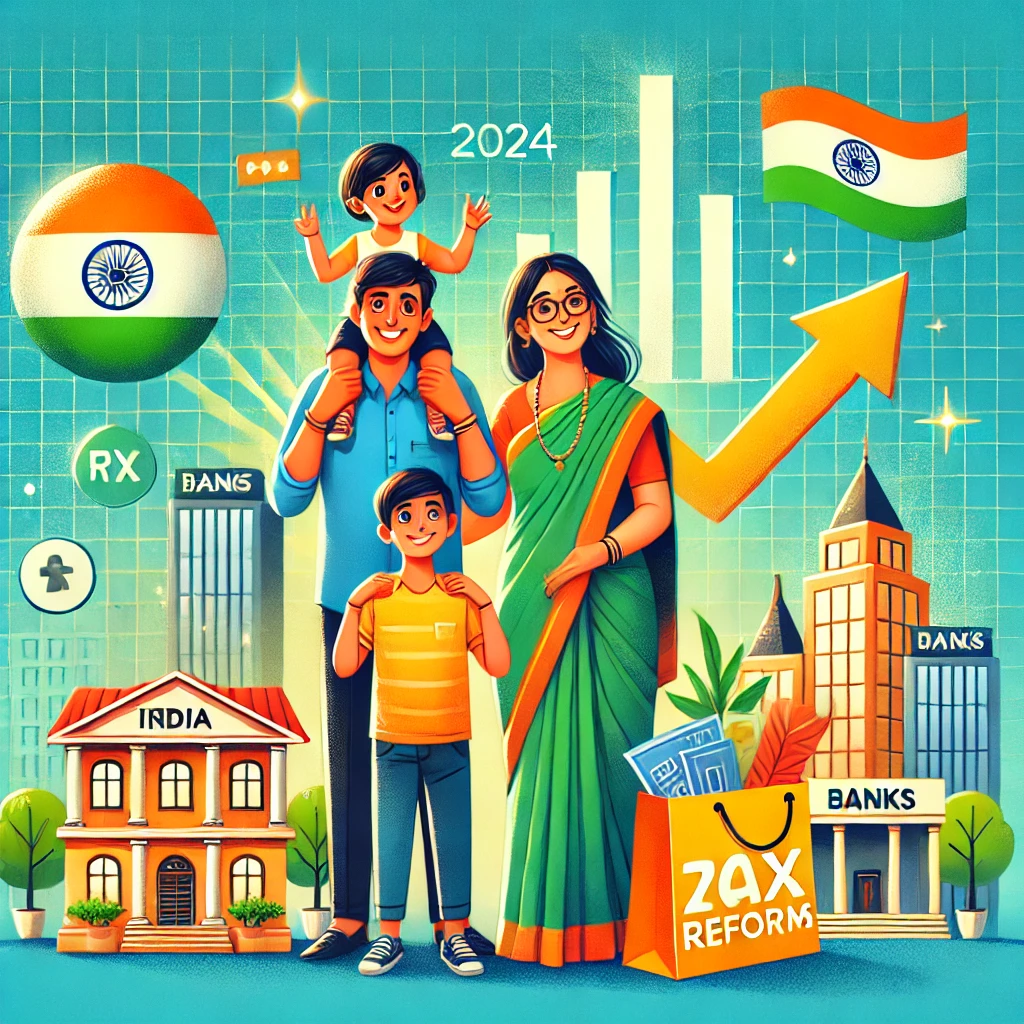
India’s economy is showing signs of strain, with reduced consumption and slower growth impacting overall development. To counter this, the government is considering a significant move to reduce personal income taxes for individuals earning up to ₹1.5 million annually. This proposal aims to ease the financial burden on middle-class taxpayers and stimulate spending, which could rejuvenate the economy.
Understanding the Current Tax Regime
The existing tax system, introduced in 2020, offers the following slabs for annual income:
- ₹300,000 to ₹500,000: Taxed at 5%.
- ₹500,001 to ₹750,000: Taxed at 10%.
- ₹750,001 to ₹1,000,000: Taxed at 15%.
- ₹1,000,001 to ₹1,250,000: Taxed at 20%.
- Above ₹1,500,000: Taxed at 30%.
Challenges:
- Limited disposable income for middle-class families.
- Insufficient incentives for increased spending or saving.
- Comparative Analysis of Tax Reforms in Other Countries
- It’s helpful to see how India’s potential tax reforms compare globally. For instance:
- United States: The U.S. has progressive tax brackets, starting at 10% and going up to 37% for incomes above $539,900. Middle-class taxpayers benefit from significant deductions and credits, stimulating consumer spending.
- China: Income tax rates range from 3% to 45%. The Chinese government frequently revises tax slabs to encourage savings and consumer spending.
- By aligning with global best practices, India’s tax reforms could make the economy more competitive and attractive for investment.
- Historical Context: Tax Reforms in India
- Since liberalization in the 1990s, India’s tax system has undergone several changes:
- The 1991 reforms focused on reducing tax evasion by lowering high tax rates.
- The introduction of GST in 2017 streamlined indirect taxes and boosted compliance.
- The 2020 new tax regime aimed to simplify filings but saw limited adoption due to fewer deductions.
- The proposed reforms for 2024 mark another step in balancing simplicity and taxpayer benefits.
- Sectoral Impact Analysis
- The tax cuts could ripple across industries:
- Retail and FMCG: Increased disposable income may lead to higher consumption of essentials and discretionary goods.
- Real Estate: The middle class could invest more in affordable housing, boosting sales in this sector.
- Banking: With higher savings and investments, banks could see a surge in deposits and demand for credit products.
- Personal Financial Planning Tips
- Taxpayers can maximize the benefits of the proposed changes:
- Invest Wisely: Leverage additional income to strengthen savings through fixed deposits, mutual funds, or ULIPs.
- Plan Expenses: Allocate funds for necessary upgrades in lifestyle or asset purchases while maintaining financial discipline.
- Monitor Budget Announcements: Stay informed about specific changes in slabs and deductions.
- Call to Action
- “What are your thoughts on these potential tax changes? How do you plan to use the additional income? Share your views in the comments below!”
- These additions make the article more engaging, comprehensive, and valuable for readers while encouraging interaction. Would you like to include detailed examples or case studies?
Proposed Changes: What We Know So Far
The government’s proposal seeks to ease financial pressure on middle-income earners and spur economic activity. Here’s what we know:
- Adjustments to the existing tax slabs are being discussed.
- Final decisions will be announced in the Union Budget on February 1, 2024.
Goals of the Proposal:
- Boost consumption by increasing disposable income.
- Provide significant relief to middle-class taxpayers.
Impact on Middle-Class Taxpayers
The proposed tax cuts could transform the financial landscape for millions of Indians.
Key Benefits:
- Increased Disposable Income: Families will have more money to spend on essentials and discretionary items.
- Better Financial Planning: Taxpayers can allocate funds towards savings, investments, or lifestyle improvements.
- Stimulated Consumer Demand: Higher spending could drive demand for goods and services, benefiting various industries.
Economic Implications of the Proposal
This tax reform is likely to influence the broader economy positively.
Key Economic Effects:
- Increased Consumer Spending: Boosts demand in sectors such as retail, real estate, and automobiles.
- Economic Growth: Higher consumption can lead to improved GDP figures.
- Government Challenges: Balancing fiscal deficits while implementing these cuts.
Relevance for the Banking Sector
Banks stand to gain significantly from the proposed changes:
Opportunities:
- Rising Demand for Loans: Higher disposable income could encourage borrowing for homes, vehicles, or personal needs.
- Increased Deposits: Families with additional savings may invest in fixed deposits or other banking products.
- Customized Financial Solutions: Banks like Punjab National Bank can offer tailored investment and credit products to meet the needs of this demographic.
How Taxpayers Should Prepare
As these changes are likely to come into effect soon, taxpayers should take proactive steps to maximize benefits:
- Review Financial Plans: Adjust budgets to accommodate increased disposable income.
- Understand the New Tax Structure: Be aware of how changes will impact your net income.
- Plan Investments: Utilize additional income to strengthen savings and investment portfolios.
Conclusion
The proposed tax cuts promise significant relief for middle-class families, with far-reaching implications for the economy and banking sector. By staying informed and planning ahead, taxpayers can leverage these changes to improve their financial well-being.
Stay tuned for updates on the Union Budget 2024 to learn how these changes unfold and their exact impact on your finances.