
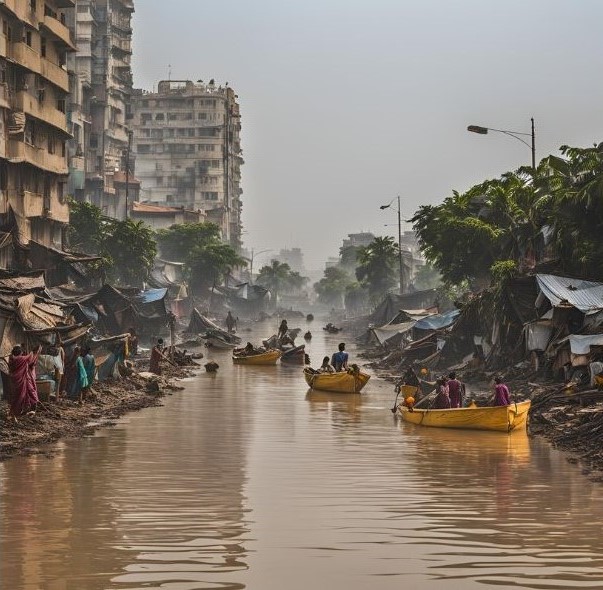
Climate change is no longer a distant threat—it’s a present reality with profound impacts on India’s urban centers. According to the latest RBI Bulletin, Indian cities, which are economic powerhouses generating over 80% of the nation’s GDP, are now grappling with increased vulnerabilities due to climate-induced risks like rising sea levels and extreme heat【26】.
This article delves into the significant findings from the RBI Bulletin, the challenges posed by climate change, and the urgent steps required to safeguard urban areas and their residents.
India’s Increased Climate Vulnerability
Indian cities are on the frontline of the climate crisis. Coastal hubs like Mumbai and Chennai are facing threats from rising sea levels, which increase the risk of flooding and damage to vital infrastructure. For instance, Chennai, which has already experienced devastating floods in recent years, highlights the critical need for climate-resilient planning.
Beyond coastal cities, urban centers across India are also vulnerable to heatwaves. The RBI report warns that extreme heat events are expected to triple by 2030, jeopardizing the health and productivity of millions. Urban heat islands, where cities become significantly warmer than surrounding areas due to dense construction and limited greenery, exacerbate this problem【26】.
The Ripple Effect on Urban Economies
With urban areas accounting for the majority of India’s economic activity, climate change threatens the very foundation of India’s growth. Industries such as agriculture, manufacturing, and services are already feeling the heat. Erratic weather patterns disrupt supply chains, damage crops, and reduce productivity in labor-intensive sectors.
For instance, the construction and real estate industries, which have been booming due to the demand for housing, are increasingly affected by extreme weather. Rising costs for cooling systems, delays due to flooding, and the need for more resilient materials are becoming the norm.
Meanwhile, the financial burden of climate-induced disasters is mounting. Governments and insurers face significant costs to repair damaged infrastructure and compensate for losses. These pressures highlight the urgent need for economic and infrastructural resilience【26】.
Sustainable Infrastructure: The Need of the Hour
To combat these growing challenges, Indian cities must prioritize sustainable and climate-resilient infrastructure. This includes:
- Flood Defenses: Coastal cities must invest in robust drainage systems, embankments, and seawalls to protect against rising sea levels and storm surges. For example, the Netherlands’ advanced water management systems serve as a global benchmark.
- Green Urban Planning: Integrating green spaces into city planning can reduce the urban heat island effect and improve air quality. Cities like Bengaluru have begun efforts to restore lakes and create urban forests, setting an example for sustainable urban development.
- Resilient Housing: Affordable and climate-resistant housing should be a priority, particularly for low-income populations who are disproportionately affected by climate disasters.
- Smart Cities with Sustainability Goals: Initiatives like India’s Smart Cities Mission should align their objectives with climate resilience to create future-proof urban hubs.
Breaking Global Temperature Benchmarks
The world has crossed a critical threshold: global temperatures have risen beyond 1.5°C above pre-industrial levels. This breach, highlighted in the RBI Bulletin, signals an accelerated climate emergency【26】. For India, this means more intense and frequent climate events, from floods in Kolkata to heatwaves in Delhi.
The urgency to curb emissions and invest in renewable energy has never been greater. India’s initiatives, such as the National Solar Mission and increased investment in wind energy, are steps in the right direction. However, much more needs to be done to meet global climate goals and protect urban populations.
Policy Recommendations for Climate Resilience
The RBI Bulletin emphasizes the need for proactive policies to address climate challenges. Here are some key recommendations:
- Enhanced Disaster Preparedness:
Urban centers should establish early warning systems and emergency response protocols. For instance, Odisha’s cyclone management strategies have proven effective in minimizing casualties during extreme weather events. - Climate-Focused Urban Planning:
Cities must prioritize sustainable urban development, including eco-friendly construction practices and renewable energy adoption. - Public Awareness Campaigns:
Educating citizens about climate risks and sustainable practices can foster community-level resilience. Programs on waste management, water conservation, and energy efficiency are crucial. - Collaborative Efforts:
Partnerships between government, private sectors, and international organizations can accelerate the development of climate-resilient infrastructure.
Economic Implications and the Path Forward
The economic implications of climate change are vast, affecting industries, employment, and urban development. Yet, with challenges come opportunities. Investments in renewable energy, sustainable transportation, and climate-resilient infrastructure can generate jobs and drive economic growth.
Take the example of renewable energy. India’s ambitious solar energy targets have not only reduced dependence on fossil fuels but also created employment in manufacturing and installation sectors. Similarly, urban climate projects, such as the redevelopment of stormwater drains in Mumbai, offer economic benefits alongside environmental protection.
Conclusion
The findings from the RBI Bulletin are a wake-up call for India’s urban policymakers, businesses, and residents. Climate change is not just an environmental issue—it’s an economic and social challenge that requires immediate and sustained action.
By investing in sustainable infrastructure, prioritizing green urban planning, and adopting proactive policies, India can build urban centers that are not only resilient to climate risks but also models of sustainable growth. As global temperatures rise and climate events become more frequent, the time to act is now.
For more insights on climate change and urban development, explore other articles on moneymindedblog.in. Together, we can create a safer, greener future for all.